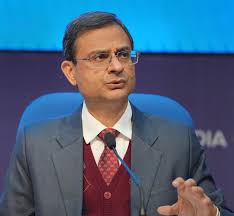
Axis Bank managing director and CEO Amitabh Chaudhry has cautioned that the massive influx of FCNR(B) deposits under the Reserve Bank of India (RBI) swap scheme could lead to some ‘abnormal lending” as banks seek to deploy this surplus liquidity.
The fiscal first-quarter credit growth of 18-19% for the banking system is due to a low base of the year-ago period and could moderate to 15-16% for FY27 as the economy absorbs the liquidity.
Bankers need to be "careful" about the way they deploy the huge sums raised from the diaspora, Chaudhry said, while speaking at the annual Global Fintech Fest 2026.
Under the RBI’s concessional swap facility, banks have mobilised a record $127.23 billion in foreign currency non-resident (Bank), or FCNR(B), deposits. A larger-than-expected inflow of FCNR(B) deposits made RBI shut the swap window one month in advance of scheduled closure, with the cut-off date shifting to 31 August instead of 30 September.
Drawing attention to the narrow rate differential between India and the US yields, Chaudhry said domestic rates may have to move higher.
"We are staring at some rate hike in the near future. What time it will be, I don't know. Economists are saying it will be in October and December. The gap between India and the US has not been seen for decades. It’s a problem," he said.
On more consolidation in the banking sector, Chaudhry said it will happen over the next four-five years as lenders would increasingly need scale to compete.
India, he believed, needs bigger banks and one way to get there is for some of the banks to come together. Consolidation will gather pace when differences in scale widen between lenders.
As for Axis Bank, it will continue to scout for opportunities, he said.
Fintechs will continue to pose challenges to banks but they will also be a source of partnerships, he added.