BANKS
Yes Bank-SMBC deal has broader implications
Three trends mark SMBC’s agreement to buy 20% stake in Yes Bank. Timing turns favourable as mid-sized IndusInd Bank struggles; RBI more open to foreign investments; trade unions go weak.



Three trends mark SMBC’s agreement to buy 20% stake in Yes Bank. Timing turns favourable as mid-sized IndusInd Bank struggles; RBI more open to foreign investments; trade unions go weak.
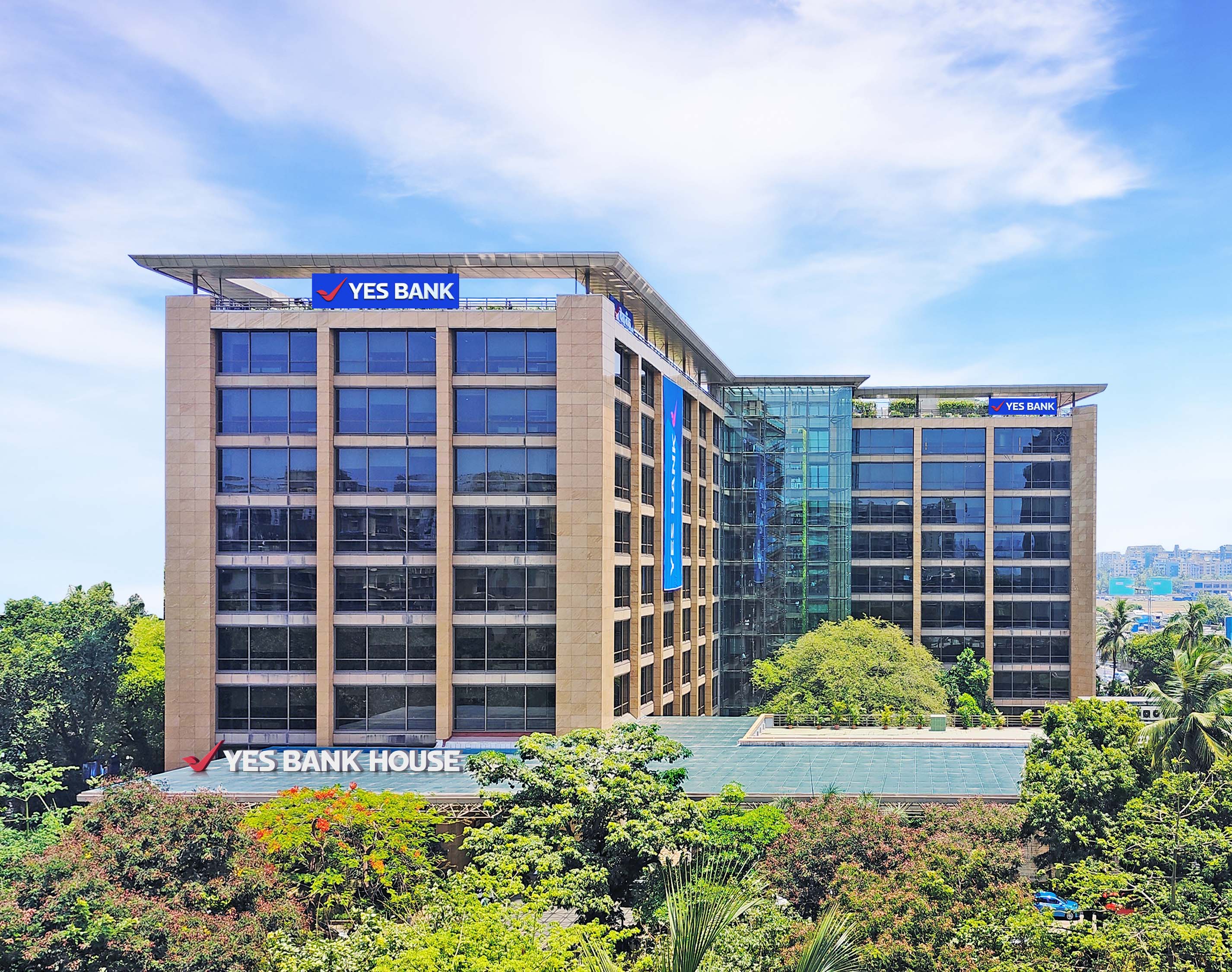
After five years of course correction from a state of near collapse, Yes Bank has been able to rope in Japan’s second-largest bank to agree to acquire 20% stake for Rs 13,482 crore.
The timing of the deal with Sumitomo Mitsui Banking Corporation (SMBC) has turned out to be favourable as it coincides with trouble brewing at IndusInd Bank. Yes Bank could well be reminded of its plight in 2020 when it almost crumbled under the weight of chunky bad loans to a few corporates and needed the Reserve Bank of India (RBI) to promptly come out with a rescue plan. The country’s fourth-largest private lender was lifted out of the pit with State Bank of India (SBI) leading the bailout operations, along with the support of a clutch of other banks.
IndusInd Bank, currently the fifth-largest private lender, does not need external financial help but faces an accounting gap which is suspected to be fraud and a credibility loss which could adversely impact its deposit growth. This has brought the Hinduja Group-promoted bank under regulatory scrutiny, induced remedial action and triggered the abrupt exits of CEO Sumant Kathpalia and Deputy CEO Arun Khurana.
The rebuild may take over two years and will necessitate stronger governance norms, tighter internal controls and a likely asset mix rebalance. A muted loan growth and a sharp slowdown in earnings growth is expected during this period. Not that Yes Bank, backed by SMBC after regulatory approvals, would automatically take away market share from IndusInd Bank but it feels encouraging that a mid-sized lender will have to prioritise balance sheet stability over growth.
The deal is significant in another way. Besides being the largest cross-border investment in the Indian banking sector, it may signal a change in thinking inside the RBI towards foreign money if the regulator decides to give its approval to the deal. This chain of thought was evident in November 2020 when the central bank allowed the Indian arm of Singapore's DBS Bank to take control of troubled Lakshmi Vilas Bank (LVB). In 2018, Fairfax Financial Holdings, led by Prem Watsa, acquired 51% stake in Catholic Syrian Bank (CSB) for Rs 1,210 crore. These have been irregular deals but now a more systematic wind may be blowing and could mark a wave of strategic foreign investments coming into the Indian banking sector.
In mid-May, the RBI granted in-principle approval to Dubai-headquartered Emirates NBD Bank PJSC to float a wholly owned subsidiary (WoS) in India. The UAE's second-largest lender, which has three branches in India, is, among others, looking to acquire a majority stake in IDBI Bank. As part of the disinvestment process, the government is offering 30.48% stake while Life Insurance Corporation will unload 30.24% of its holding in IDBI Bank.
With India continuing to be the fastest-growing economy and the GDP expected to grow above 6% through FY27, foreign investor interest in Indian banks is rising.
“We anticipate that there could be opportunities for investments in India’s mid-sized banks by foreign banks looking to expand their presence in India, although we believe the RBI’s preference is for foreign banks with strong performance and governance to acquire stakes larger than 26% through wholly owned Indian subsidiaries regulated in India,” Fitch Ratings said in a note.
Another significant feature marking the deal is the silence of the trade unions in allowing a foreign bank take over a private Indian bank after being financially rescued under the leadership of state-owned SBI. Beyond murmurs, unions have lost their power to protest effectively. The government's disinvestment plan of IDBI Bank is set to find no strong trade union resistance to stall the process. The reality is that trade unions have weakened over the years after liberalisation of India’s economy in the 1990s.
If the deal sails through, it will allow SBI and the other consortium lenders who had participated in the bailout to partially exit at higher value than their then-made investments. SBI’s 13.19% stake dilution in Yes Bank will fetch Rs 8,889 crore, with each of its 413.44 crore equity shares being sold at Rs 21.50 while it was bought in 2020 at Rs 10 per share. The shareholding of SBI in Yes Bank will fall to 10.78%, from 23.97% it held as of 31 March 2024. ICICI Bank, HDFC Bank, Axis Bank, Kotak Mahindra Bank, IDFC First Bank, Federal Bank and Bandhan Bank will sell 6.81% of their stake for Rs 4,594 crore.
SMBC will become the largest shareholder in Yes Bank and have an opportunity to participate in the rapidly-expanding Indian economy. Japanese banks have been seeking growth in new markets even as interest rates in Japan have rock bottomed for years. With total assets of around $2 trillion and operating across 39 countries including 15 in the Asia-Pacific region, SMBC can aggressively plan Yes Bank’s growth.
The Yes Bank-SMBC deal will have broader implications in the Indian banking marketplace. Beyond the individual gains, it has the potential to set the pace for foreign investments in the Indian financial sector if the RBI decides to ease ownership rules.