NEWS
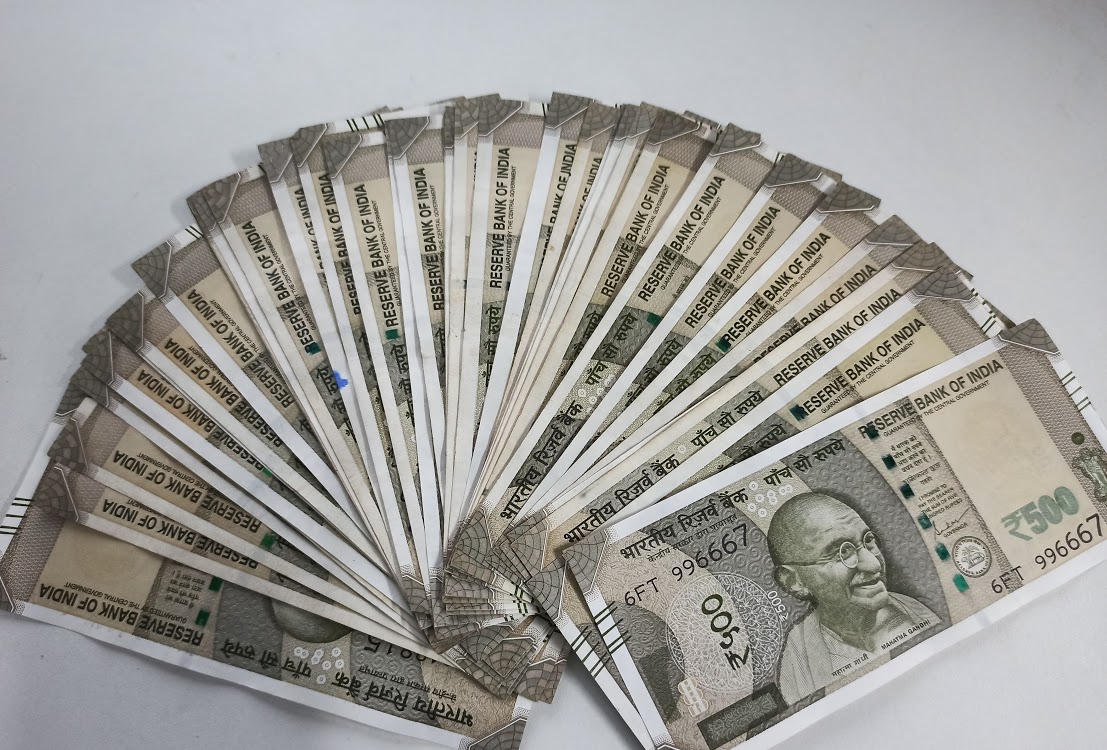
Rupee slumps to lifetime low below 90, may cast shadow on rate cut
RBI’s MPC to weigh rupee factor while taking call on rate cut amid high GDP and record low inflation; analysts say 90 level to a dollar could be new normal.



RBI’s MPC to weigh rupee factor while taking call on rate cut amid high GDP and record low inflation; analysts say 90 level to a dollar could be new normal.
The Indian rupee for the first time crossed the 90 level to the dollar, showing weakness due to absence of a trade deal with the US and sustained foreign fund outflows.
Analysts warned a further fall if the trade dispute with the US did not end, which punishes Indian goods with a 50% tariff. This has hit India’s exporters and widened the trade deficit.
The Reserve Bank of India (RBI) has taken a calculated step in restraining itself from aggressively defending the rupee to let it stay at a particular level.
The slide to a lifetime low of the rupee has come despite a higher-than-expected 8.2% GDP growth in the July-September quarter, announced on Friday.
Trade analysts say the rupee has entered a soft spot and 90 to a dollar level could be a new normal. A reverse climb of the Indian currency could be difficult even if a trade deal is stitched with the US. This could, however, slow down the slide.
Some analysts are even forecasting the rupee to slide to 91 and then move to trade in the 93-95 range. A prolonged trade deal stalemate would continue to keep pressure on the rupee. Sakshi Gupta, principal economist at HDFC Bank, expects the rupee to weaken into the 92-to-93 range in the next few months.
The rupee’s fall has come at a time when the dollar is not strong. The dollar index, which measures against a basket of six currencies, was trading 0.20% lower at 99.16.
The rupee may find some support at lower levels due to a weak dollar and a possible rate cut by the US Federal Reserve in December. A negative bias against the rupee will, however, continue amid persistent FII outflows, higher crude oil prices and lack of a trade deal.
Meanwhile, the government’s chief economic advisor V Anantha Nageswaran told reporters, “I am not losing sleep” over the rupee’s value. “Right now it is not impacting inflation or exports,” he said, while forecasting the Indian currency would strengthen next year.
On Wednesday, the rupee opened at 89.96 to a dollar, fell to a record intraday low of 90.30 during the session, and closed at a low of 90.21 (provisional), down 25 paise from its previous close. A day before, the rupee had closed 43 paise lower at 89.96.
There are several data points which have put pressure on the rupee, which has shed 5.3% this year and made it the worst-performing Asian currency.
Foreign portfolio investors have taken out more than $17 billion from Indian equities this year. Foreign direct investment (FDI) has been negative for two months in a row. According to latest official data, trade defcit has widened to a record Rs 41.7 billion.
“The weak macro picture in India makes weak currency performance inevitable,” Reuters quoted Sat Duhra, a portfolio manager at Janus Henderson Investors, as stating.
A weak rupee would normally have helped exporters, but the stiff tariff has more than neutralised those gains and diluted export competitiveness.
On the import side, record-high metal and bullion prices have added to the woes of a weak rupee. Raw materials and machinery purchases have become pricier.
Consumers of imported fridges, mobiles, laptops and smartphones will face price rises. Since India also imports crude oil, fertilisers and edible oils, prices of petrol, LPG, cooking oil, packaged foods and appliances will be under pressure. It will become costlier for students studying abroad and those going on foreign holidays.
The gainers will be IT and other businesses which depend on dollar revenues. Families receiving money from abroad will also stand to benefit.
The RBI-led monetary policy committee (MPC) will have to weigh the rupee factor while taking a final call on interest rate cut this Friday amid high GDP growth and record low inflation. A repo rate cut could put fresh pressure on the rupee.