

RBI-led MPC meets to take a call on rate cut amid the fog of trade war, US imposition of tariffs, low inflation, concerns over growth and recent slide in rupee.
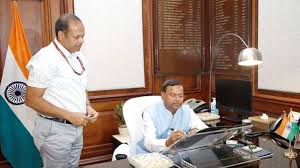
Public sector banks have written off a whopping Rs 12.08 lakh crore in the last nine fiscals; gross NPA ratio has dropped from 9.11% in FY21 to 2.58% in FY25.
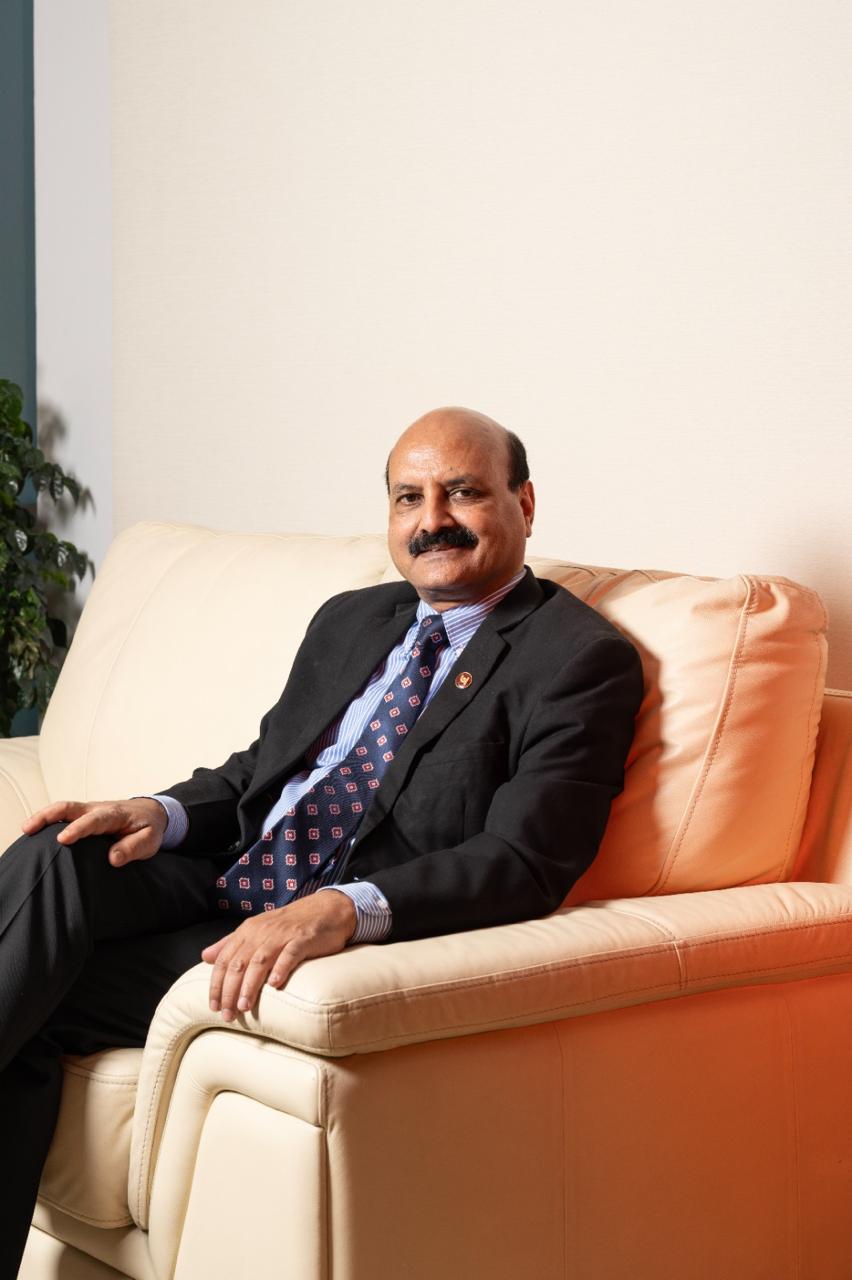
Punjab National Bank CEO Ashok Chandra draws comfort from a loan sanction pipeline of Rs 1.29 lakh crore; CASA deposit ratio in Q1 lags behind FY26 target but bank has revamped product.
Stress in microfinance book should bottom out in next two quarters and lending margins would likely be better in 2nd half of FY26, says IDFC First Bank MD & CEO V Vaidyanathan.
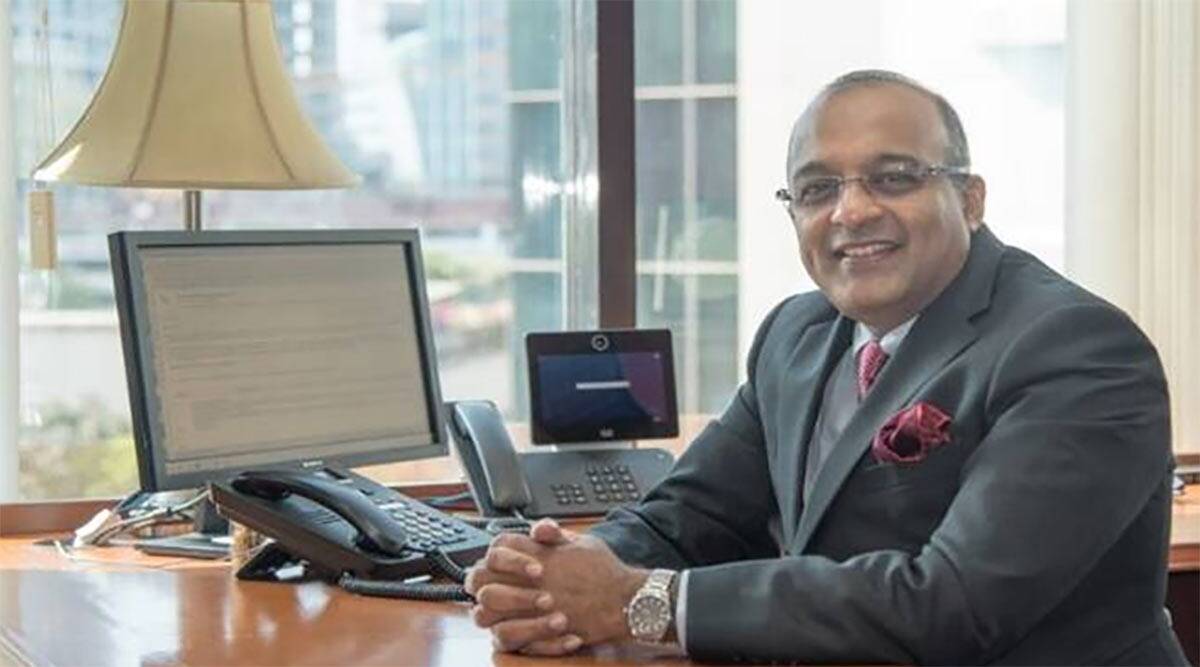
HDFC Bank consciously calibrated its loan growth in FY25 to reposition the balance sheet, says MD & CEO Sashidhar Jagdishan; now bank poised to capitalise on growth opportunities.
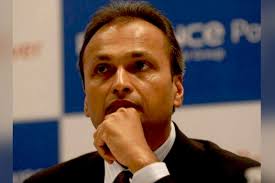
Enforcement Directorate conducts multiple raids as part of alleged Rs 3,000-crore loan fraud involving Reliance Anil Ambani Group companies and Yes Bank.
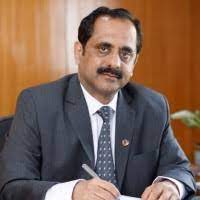
Bank of Maharashtra is driving up CASA, shunning high-cost bulk deposits, tapping infra bonds and repricing loans; Rs 3,000 crore will be freed due to CRR cut from 4% to 3%.
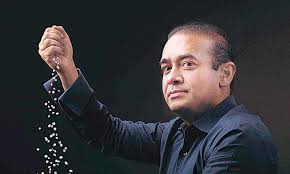
Public sector banks have identified 1,629 corporate borrowers as wilful defaulters, owing loan dues of Rs 1.62 lakh crore as of 31 March 2025.
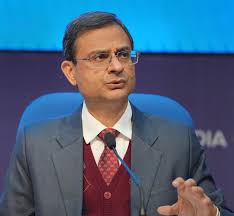
RBI will review if foreign banks could be allowed to own 26% stake in local banks as a matter of policy, says Governor Sanjay Malhotra; current cap is 15%.
RBI not considering any proposal to allow corporates, either directly or through their NBFCs, to obtain banking licences, Governor Sanjay Malhotra said.

Appellate tribunal finds former ICICI Bank CEO Chanda Kochhar guilty of accepting Rs 64 crore bribe in exchange for sanctioning Rs 300 crore loan to Videocon Group in 2009.

CRIF data shows high-ticket loans gain preference in FY25 amid rising stress in small borrowers, increased caution, evolving risks and broad-based moderation in credit growth.